
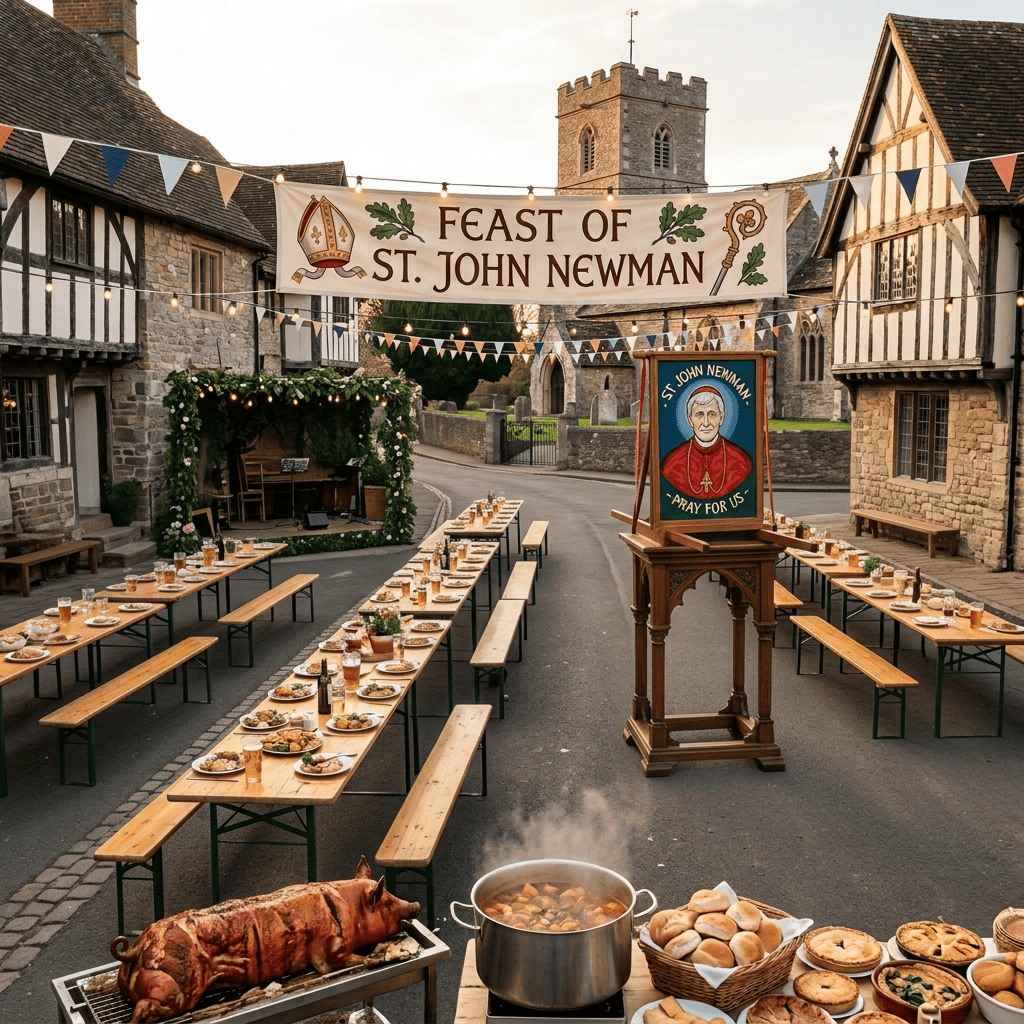


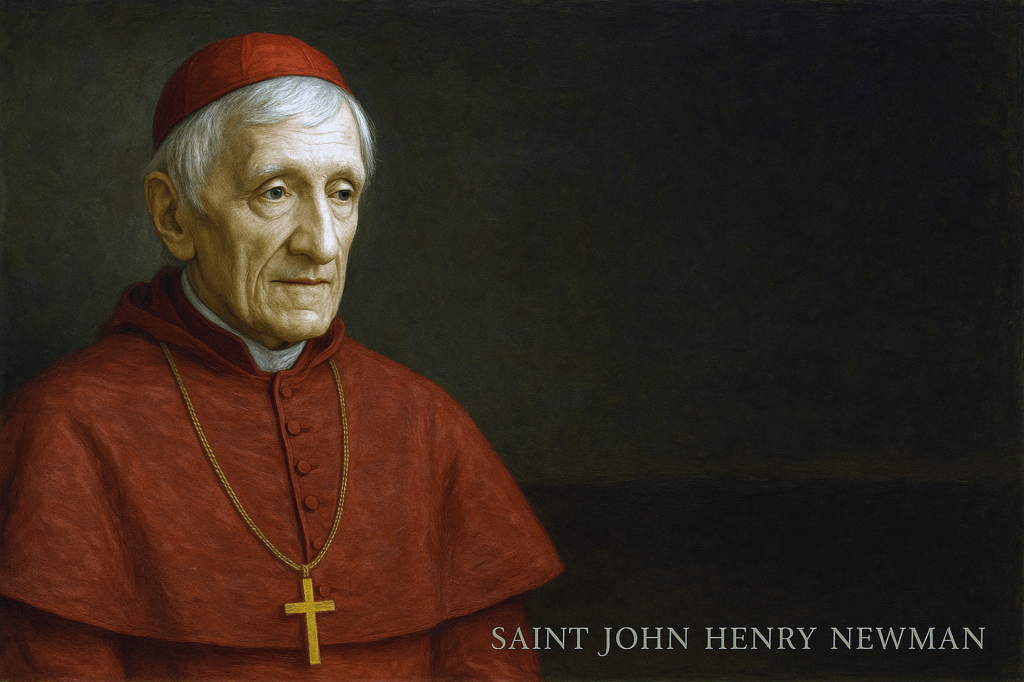
St. John Henry Newman Feast Day: His Life, Catholic Heritage, Relics, Recipes, and Family Traditions
St. John Henry Newman’s feast day is October 9. A convert to Catholicism, beloved priest, influential theologian, and Doctor of the Church, St. John Henry Newman dedicated his life to seeking the truth and following God wherever it led him. His remarkable journey from the Church of England into the Catholic Church continues to inspire Catholics around the world.
Celebrating the feast of St. John Henry Newman is a wonderful opportunity for Catholic families to explore the beauty of the Catholic faith, learn about the importance of a well-formed conscience, and remember that a sincere search for truth can bring us closer to God.
Whether you are planning a Catholic homeschool lesson, looking for a new family feast-day tradition, or simply hoping to learn more about this remarkable saint, this guide includes his life story, his influence on Catholic heritage, traditions from his native England, information about his shrine and relics, pilgrimage ideas, recipes for breakfast, lunch, and dinner, a children’s activity, and a Catholic family prayer.
St. John Henry Newman Feast Day at a Glance
- Feast day: October 9
- Born: February 21, 1801, in London, England
- Died: August 11, 1890, in Birmingham, England
- Canonized: October 13, 2019, by Pope Francis
- Declared a Doctor of the Church: November 1, 2025, by Pope Leo XIV
- Known for: His conversion to Catholicism, theological writings, work as a priest and cardinal, and contributions to Catholic education
- Important shrine: The Birmingham Oratory in Birmingham, England
- A central theme of his life: Following the truth with humility, courage, and trust in God
St. John Henry Newman is especially meaningful for families who value Catholic education, thoughtful prayer, and the formation of children in faith and virtue.
Who Was St. John Henry Newman? The Story of His Life
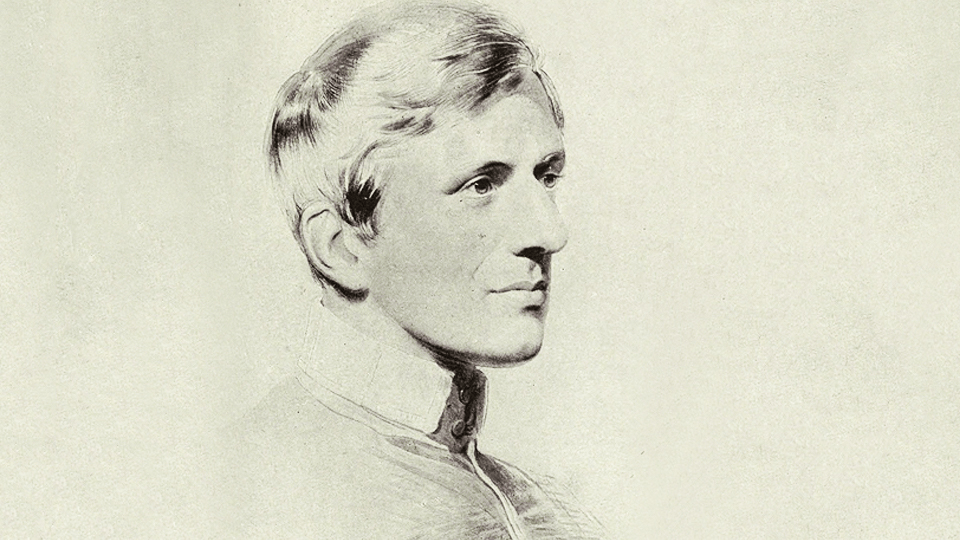
St. John Henry Newman was born in London in 1801 into a family belonging to the Church of England. From an early age, he developed a love of Scripture and an interest in religious questions. As a young man, he studied at Oxford, where his intellectual gifts and religious convictions began to shape the course of his life.
Newman initially became an Anglican priest. He was a gifted preacher, teacher, and writer who wanted Christians to understand their faith more deeply. During his years at Oxford, he became increasingly interested in the early Church Fathers and the history of Christianity.
His study of the early Church led him to reconsider what he believed about Christian doctrine, the authority of the Church, and the relationship between the ancient Christian faith and the Church of his own time.
This was not an easy process. Newman had a respected position in the Anglican world, a promising academic career, and many friends and colleagues. Nevertheless, he continued to follow the questions that troubled him, even when the answers challenged everything he had previously believed.
In 1845, Newman was received into the Catholic Church. His conversion was the result of years of prayer, study, reflection, and a sincere desire to follow the truth.
Two years later, he was ordained a Catholic priest in Rome. He subsequently helped establish the Congregation of the Oratory in England, a community inspired by St. Philip Neri. Newman eventually settled in Birmingham, where he served the Church through pastoral ministry, education, and writing.
In 1879, Pope Leo XIII named Newman a cardinal in recognition of his extraordinary contributions to the Church. Newman continued writing and serving others until his death in Birmingham on August 11, 1890.
His cause for canonization progressed over many decades. Pope Benedict XVI beatified him in 2010, and Pope Francis canonized him in 2019.
In 2025, Pope Leo XIV declared Newman a Doctor of the Church, recognizing the lasting importance of his theological contributions. He was also named a co-patron of Catholic education.
What Can Catholic Families Learn From St. John Henry Newman?
Newman’s life offers several lessons that are particularly valuable for children and parents.
Courage in seeking truth: Newman was willing to reconsider his beliefs when his studies and conscience led him to difficult questions. His example reminds us that genuine faith does not require us to be afraid of honest questions.
A well-formed conscience: Newman emphasized the importance of conscience in moral life. A conscience is not simply a feeling or permission to do whatever we want; it must be formed through prayer, reason, truth, and the teachings of God.
Faith and learning belong together: Newman believed that education should help form the whole person. Learning about history, science, literature, and the world can deepen our appreciation of God’s creation when pursued with humility and a desire for truth.
Trust in God’s providence: Newman did not always know where his journey would lead. His life reminds us to take the next faithful step, even when we cannot yet see the entire path.
Why Is St. John Henry Newman Important to Catholic Heritage?
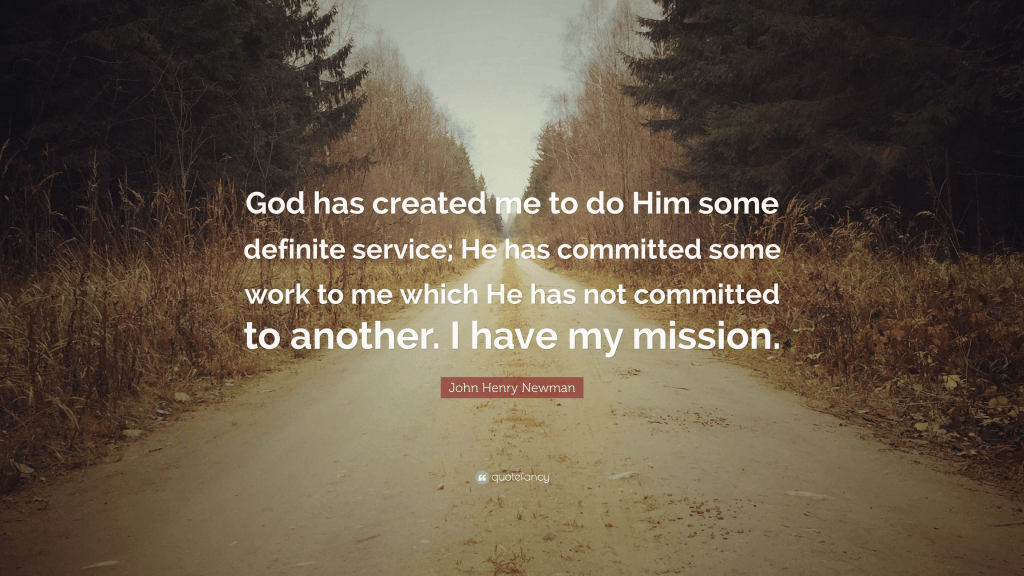
“I am a link in a chain, a bond of connection between persons. He has not created me for naught. I shall do good; I shall do His work.”
St. John Henry Newman occupies a distinctive place in modern Catholic history. His life connects the English religious tradition, the study of the early Church, Catholic intellectual life, and the development of modern Catholic education.
A Witness to Conversion and the Search for Truth
Newman’s conversion became one of the most significant religious journeys of nineteenth-century England. His writings helped many people think carefully about the relationship between Christian history, doctrine, and the authority of the Church.
His story also provides an important example of conversion as a gradual process. Rather than changing his beliefs overnight, Newman spent years studying, praying, and reflecting before entering the Catholic Church.
A Major Figure in Catholic Theology
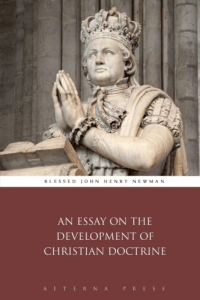
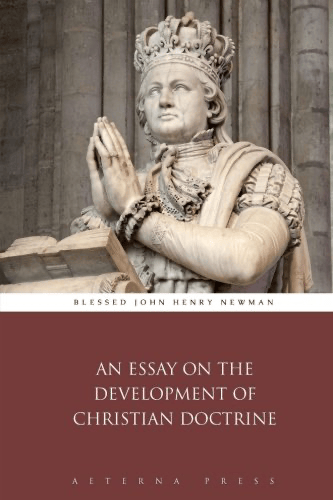
Newman wrote extensively about faith, conscience, the development of Christian doctrine, and the role of education. His book An Essay on the Development of Christian Doctrine explored how Christian teaching can develop in its understanding and expression while remaining faithful to its essential principles.
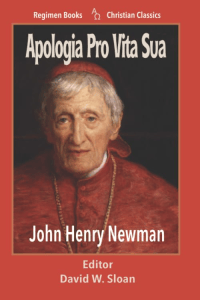
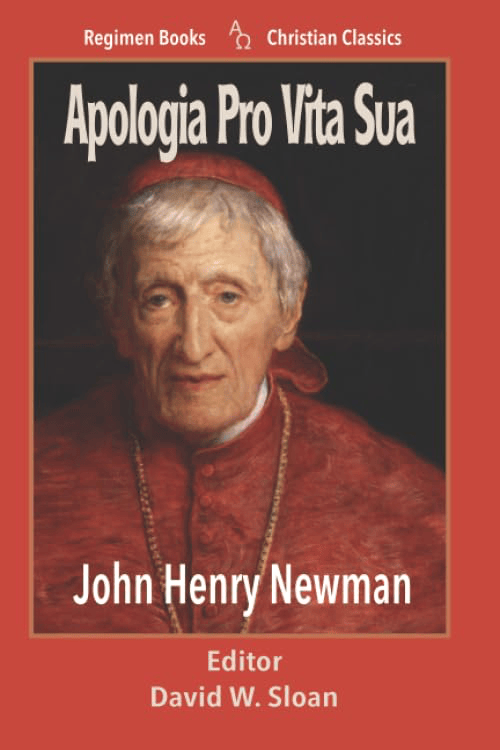
His Apologia Pro Vita Sua is a celebrated account of his religious journey and the reasoning behind his conversion to Catholicism.
These works continue to be studied by theologians, clergy, university students, and readers interested in the history of Christianity.
Why Is Newman a Doctor of the Church?
The Catholic Church gives the title Doctor of the Church to saints whose holiness and theological contributions offer enduring guidance to the faithful.
Newman’s recognition as a Doctor of the Church in 2025 highlights the continuing value of his writings and his contribution to Catholic thought. His work is particularly relevant to questions about faith and reason, conscience, religious conversion, and the purpose of education.
For Catholic families, his example is a reminder that intellectual growth and spiritual growth need not compete. Both can help us understand the truth more deeply and love God more fully.
St. John Henry Newman and Catholic Education
Newman is especially associated with Catholic education because he believed that education should develop the whole human person rather than simply prepare someone for a profession.
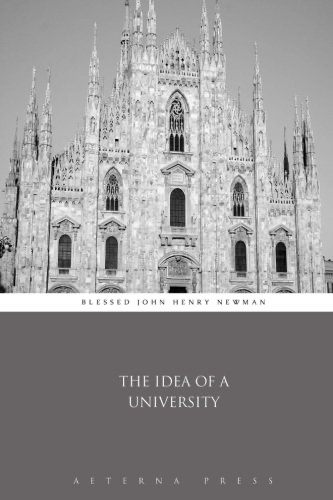
In The Idea of a University, he explored the nature and purpose of a university education. He argued for the importance of broad intellectual formation and the pursuit of knowledge for its own sake.
His legacy continues to influence Catholic schools, colleges, universities, and educators who seek to unite academic excellence with moral and spiritual formation.
Families can honor Newman by making learning a part of their celebration: read a saint’s biography, explore a historical map, visit a library, or have a thoughtful conversation about a question of faith.
How Is St. John Henry Newman Celebrated Around the World?
St. John Henry Newman is particularly associated with England, where he lived and ministered for most of his adult life. His writings and legacy are also studied internationally through Catholic universities, Newman societies, and communities dedicated to Catholic education.
Unlike saints whose feast days are associated with a single famous food or widespread folk festival, Newman is primarily remembered through prayer, study, liturgical celebrations, and pilgrimage.
England: The Birmingham Oratory
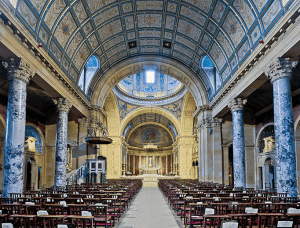
The Birmingham Oratory is one of the most important places associated with Newman. He founded the English Oratory community, which eventually established its home in Birmingham.
Today, the Oratory preserves his memory through its shrine, museum, historical collections, and continuing life of prayer. Visitors can learn about Newman’s work, see objects associated with his life, and discover more about the religious community he helped establish.
Families celebrating his feast day can explore the history of the Birmingham Oratory online or learn about the English Catholic revival of the nineteenth century.
England: Littlemore and Oxford
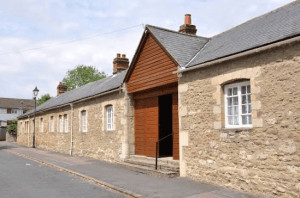
Oxford was central to Newman’s early career and spiritual development. His work at the university and his study of the early Church shaped the questions that eventually led him into the Catholic Church.
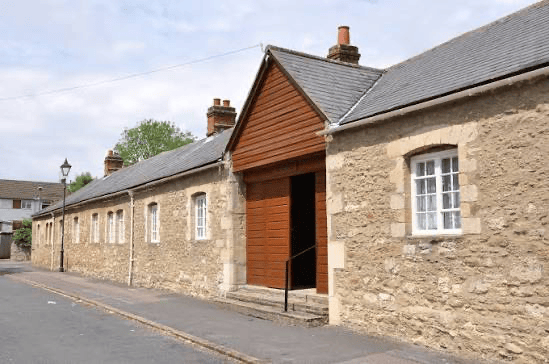
Littlemore, near Oxford, is especially significant because Newman lived there during the years leading up to his conversion. The College at Littlemore is associated with his reception into the Catholic Church in 1845.
These places help tell the story of a faith journey that unfolded through study, prayer, friendship, and reflection.
The United States and Other Countries: Newman Societies and Catholic Education
Newman’s writings have found an international audience, particularly among Catholic educators, university communities, and people interested in the relationship between faith and reason.
Newman associations, academic institutes, and Catholic educational institutions in several countries study his work and encourage discussion about his ideas.
For families outside England, a fitting celebration might include reading a passage from The Idea of a University, discussing the importance of conscience, or praying for Catholic teachers and students.
How to Bring These Traditions Into Your Home
You do not need to travel to England to celebrate St. John Henry Newman.
For a simple family feast day, you might:
- Read a short biography of Newman together.
- Find London, Oxford, Littlemore, and Birmingham on a map.
- Discuss a time when doing the right thing required courage.
- Pray for Catholic schools, teachers, and students.
- Enjoy a traditional English-inspired meal.
These activities connect your family with Newman’s English heritage while keeping the celebration centered on prayer and learning.
Where Are the Relics of St. John Henry Newman?
One of the most frequently asked questions about St. John Henry Newman concerns the location of his relics.
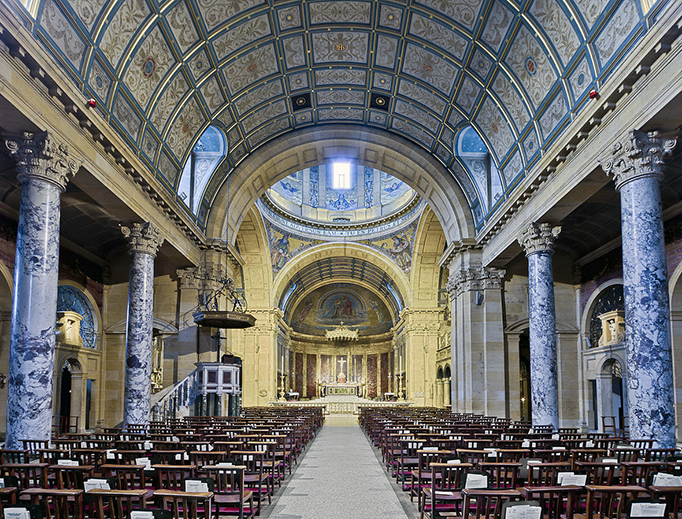
The principal place to visit is the Birmingham Oratory in Edgbaston, Birmingham, England, where a shrine honors the saint and preserves objects associated with his life.
Newman was buried in 1890 alongside his close friend Ambrose St. John, according to his wishes. In 2008, the grave was opened in connection with plans to transfer his remains to a more accessible place of veneration. The remains had unexpectedly disintegrated, and no intact bodily relics were recovered.
The Birmingham Oratory subsequently established a shrine in his honor. The shrine includes a casket associated with his burial and veneration, and the Oratory preserves historical objects connected with his life and ministry.
It is important to understand that the shrine is a place of devotion and remembrance, not the resting place of an intact body.
The Oratory has also stated that it does not have first-class relics of St. John Henry Newman available. A limited number of second-class relic cards have been offered through the Friends of Cardinal Newman.
Can You Visit St. John Henry Newman’s Shrine?
Yes. The Birmingham Oratory welcomes visitors who wish to learn about Newman and pray at his shrine. The adjoining museum contains manuscripts, personal belongings, liturgical objects, and other items connected with his life.
Because museum access may require an appointment, check the official website before planning a visit.
Official resource: The Birmingham Oratory
For families interested in Catholic heritage, the shrine offers a meaningful way to encounter Newman’s story beyond books and photographs.
Pilgrimage to St. John Henry Newman: Sacred Places to Visit
A pilgrimage to places associated with St. John Henry Newman can help visitors understand the geographical and spiritual journey that shaped his life.
1. The Birmingham Oratory, Birmingham, England
The Birmingham Oratory is the principal destination for pilgrims seeking to honor Newman.
Visitors can pray at his shrine, learn about the Oratorian community, and explore the museum’s historical collections. The site also connects Newman’s personal story with the wider tradition of the Congregation of the Oratory founded by St. Philip Neri.
Official website: Birmingham Oratory
2. Littlemore, Oxfordshire, England
Littlemore is one of the most significant places in Newman’s conversion story. Here, during the 1840s, he continued his theological reflection and was received into the Catholic Church.
Visitors interested in the history of English Catholicism can explore the places associated with his final years as an Anglican and the beginning of his life as a Catholic.
Information for visitors can be found through Newman-related heritage organizations and local Catholic resources.
3. Oxford, England
Oxford was where Newman studied, taught, preached, and became an influential figure in the religious life of the university.
A visit can include learning about Oriel College, the university church of St. Mary the Virgin, and the wider Oxford setting in which Newman developed his ideas about Christian history and doctrine.
Respect university access rules and check opening arrangements before visiting historic buildings.
4. A Newman Pilgrimage Walk
A Newman-inspired pilgrimage route in the Birmingham Archdiocese follows locations connected with his spiritual journey, including places associated with his early ministry, his years at Oxford, and his reception into the Catholic Church at Littlemore.
The route is an opportunity to reflect on the gradual nature of discernment and the courage required to follow one’s conscience.
Pilgrimage information: Newman Pilgrimage Walk
An At-Home Pilgrimage for Catholic Families
If a trip to England is not possible, create a small pilgrimage at home.
- Place a picture of St. John Henry Newman beside a candle or crucifix.
- Read the story of his conversion.
- Locate London, Oxford, Littlemore, and Birmingham on a map.
- Pray for the grace to seek truth and follow God faithfully.
- End by asking St. John Henry Newman to pray for your family.
This simple practice introduces children to the meaning of pilgrimage: a journey toward God, whether made across a country or within the ordinary life of the home.
How to Celebrate the Feast of St. John Henry Newman at Home
You do not need a complicated celebration to make October 9 meaningful. A few intentional traditions can help children remember the saint and carry his example into everyday life.
Here is a simple family feast-day plan:
- Morning: Serve English scones and read a short biography of St. John Henry Newman.
- Midday: Prepare pea soup and locate the important places in his life on a map.
- Afternoon: Complete the “Follow the Path of Truth” activity.
- Evening: Gather for an English-inspired dinner, discuss the importance of conscience and learning, and pray together.
If you have more time, visit a local Catholic church, read a passage from one of Newman’s works, or learn about the Birmingham Oratory and its shrine.
The most important part of the celebration is not the menu or the craft. It is helping your family grow in love for God and a willingness to follow the truth.
St. John Henry Newman Feast Day Recipes
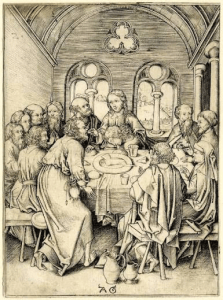
There is no single universally established feast-day menu associated with St. John Henry Newman. Since he was English, a lovely way to celebrate is with traditional English-inspired dishes and a family table that encourages conversation, gratitude, and learning.
These recipes are suggested ways to celebrate his heritage, not claims about meals Newman personally ate or foods historically prescribed for his feast day.
Breakfast: Traditional English Scones With Butter and Jam

Begin the feast day with warm English scones served with butter and jam. They are simple to prepare and make a special breakfast without requiring an elaborate menu.
Ingredients
- 2 cups all-purpose flour
- 1 tablespoon baking powder
- 2 tablespoons sugar
- ¼ teaspoon salt
- 5 tablespoons cold butter
- About ¾ cup milk
- Butter and jam, for serving
Method
- Preheat the oven to 400°F (200°C).
- Combine the flour, baking powder, sugar, and salt.
- Rub the cold butter into the dry ingredients until the mixture resembles coarse crumbs.
- Gradually add the milk until a soft dough forms.
- Gently pat the dough into a thick round and cut into wedges or circles.
- Bake for approximately 12–15 minutes, until risen and lightly golden.
- Serve warm with butter and jam.
Family connection: While breakfast is being prepared, talk about Newman’s years at Oxford and the importance of being willing to learn. Invite each family member to name one thing they would like to understand better.
Lunch: English Pea Soup With Crusty Bread

A simple pea soup makes a comforting lunch inspired by the English tradition of hearty soups and bread.
Ingredients
- 1 tablespoon olive oil or butter
- 1 small onion, chopped
- 4 cups vegetable broth
- 4 cups peas, fresh or frozen
- A small handful of fresh mint, optional
- Salt and pepper to taste
- Crusty bread, for serving
Method
- Warm the oil or butter in a saucepan.
- Add the onion and cook gently until softened.
- Add the broth and peas, then simmer for about 8–10 minutes, until the peas are tender.
- Blend until smooth, adding mint if desired.
- Season to taste and serve with crusty bread.
Family connection: Discuss how Newman used his education and talents in service of the Church. Ask children to think of one way they can use their own abilities to help someone else.
Dinner: Traditional English Roast Chicken With Potatoes and Vegetables

For a more substantial feast-day meal, prepare a traditional roast chicken dinner with potatoes, carrots, and seasonal vegetables.
Ingredients
- 1 whole chicken
- 1½ pounds potatoes, cut into chunks
- 4 carrots, cut into pieces
- 1 onion, quartered
- Olive oil or softened butter
- Salt, pepper, and herbs such as thyme or rosemary
- Additional seasonal vegetables, if desired
Method
- Preheat the oven and prepare the chicken according to a trusted roasting recipe.
- Toss the potatoes, carrots, and onion with oil, salt, pepper, and herbs.
- Arrange the vegetables around the chicken in a roasting pan.
- Roast until the chicken reaches a safe internal temperature of 165°F (74°C) in the thickest part of the breast and thigh area, avoiding contact with bone when measuring.
- Allow the chicken to rest before carving.
- Serve with the roasted vegetables and, if desired, gravy.
Family connection: Make dinner a time for thoughtful conversation. Ask each person: “What does it mean to follow the truth, even when it is difficult?” Allow children to answer in their own words.
A Feast-Day Sweet Treat: English Apple Crumble

If you would like a simple dessert, apple crumble is a lovely addition to an English-inspired feast-day table.
Slice apples into a baking dish and sprinkle with a little sugar and cinnamon. Rub butter into flour and sugar to make a crumbly topping, scatter it over the apples, and bake at 375°F (190°C) until the fruit is tender and the topping is golden.
Serve warm, perhaps with custard or cream.
The dessert is a modern family addition to the celebration rather than a traditional Newman feast-day food.
A St. John Henry Newman Activity for Kids: Follow the Path of Truth
This activity helps children learn about Newman’s conversion and understand that seeking truth sometimes requires patience, courage, and prayer.
Recommended age: Approximately 5–12, with adjustments for younger or older children.
Time: 20–30 minutes.
Materials
- Paper or cardstock
- Colored pencils or crayons
- A pencil
- A Bible
- A map of England, printed or on a screen
Instructions
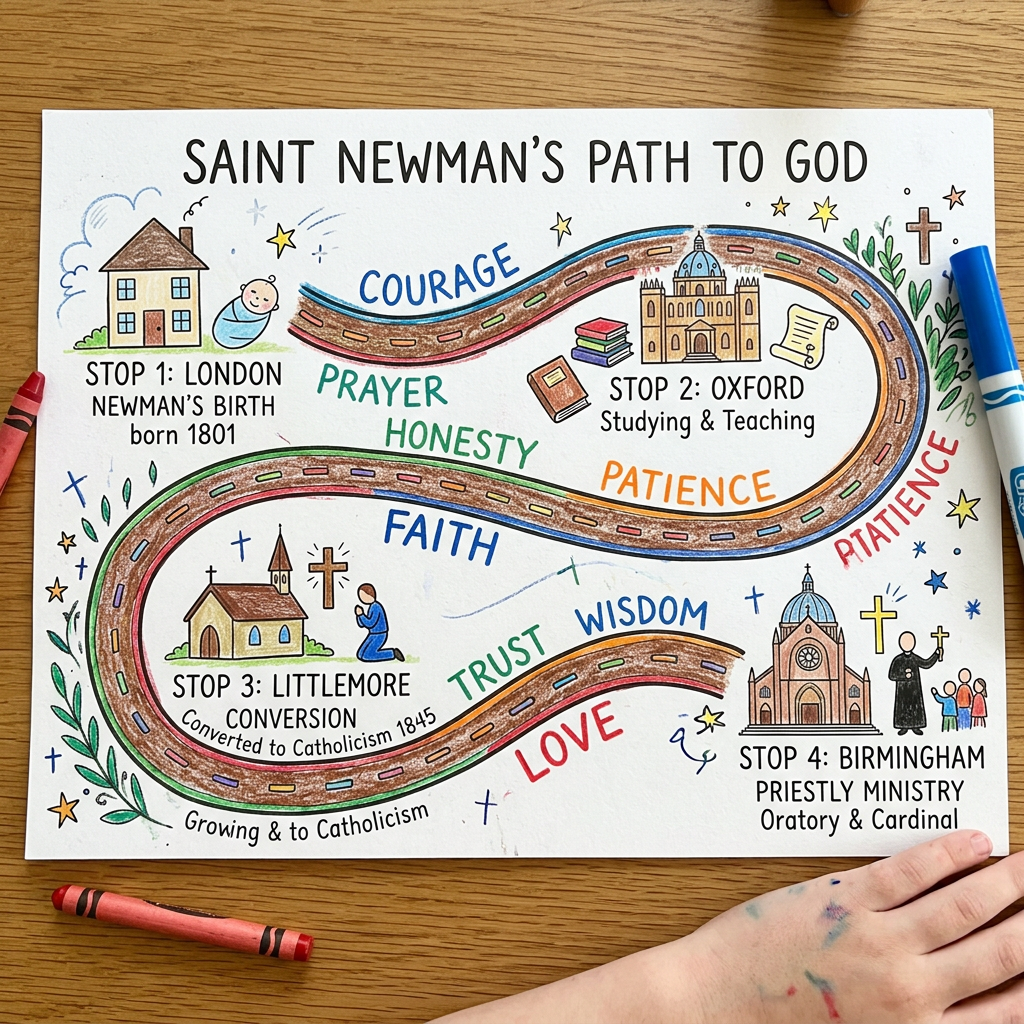
Step 1: Draw a winding path.
Ask children to draw a path across a sheet of paper. Along the way, create four stops labeled London, Oxford, Littlemore, and Birmingham.
Step 2: Add the story.
Write or draw one event at each stop: Newman’s birth in London, his university years in Oxford, his conversion to Catholicism at Littlemore, and his priestly ministry in Birmingham.
Step 3: Add virtues along the path.
Invite children to write words such as courage, prayer, honesty, patience, and faith along the road.
Step 4: Find the places on a map.
Show children where these places are in England. Explain that Newman’s life involved a real journey between places as well as an interior journey of faith.
Step 5: Reflect together.
Ask: “If you discover that something you believed was mistaken, what can help you find the truth?” Encourage answers that include asking good questions, learning, praying, and seeking wise guidance.
Spiritual lesson: St. John Henry Newman teaches us that following God means seeking truth with humility and courage.
For younger children, you can simplify the activity by making a picture of a road with a heart at the end, representing the journey toward God.
Catholic Family Prayer to St. John Henry Newman
A feast day is an opportunity to turn learning into prayer. The following is an original family prayer inspired by Newman’s life and witness, rather than a historical prayer written by the saint.
A Family Prayer for Truth and Faith
In the name of the Father, and of the Son, and of the Holy Spirit. Amen.
Heavenly Father,
Thank You for the life and witness of St. John Henry Newman. Thank You for giving him the courage to seek the truth and the humility to follow where You led him.
Help our family to love what is true, to ask honest questions, and to grow in wisdom. Teach us to form our consciences according to Your will and to choose what is good, even when it is difficult.
Bless our children, our teachers, and all who work in Catholic education. May our homes and schools be places where faith and learning grow together.
St. John Henry Newman, pray for us. Help us to trust in God’s providence and to follow Christ faithfully throughout our lives.
We ask this through Jesus Christ our Lord.
Amen.
Our Father, who art in heaven, hallowed be Thy name…
Hail Mary, full of grace, the Lord is with thee…
Glory be to the Father, and to the Son, and to the Holy Spirit…
In the name of the Father, and of the Son, and of the Holy Spirit. Amen.
An Optional Traditional Newman Text for Further Prayer
Newman is also associated with the well-known prayer commonly called Lead, Kindly Light, which expresses trust in God’s guidance through uncertainty. Families can read it as a separate devotional text and reflect on its theme of allowing God to guide the next step of life’s journey.
Final Reflection: Following God One Step at a Time
St. John Henry Newman reminds us that holiness is not always a straight or easy road. Sometimes it involves difficult questions, patient study, and the courage to change direction when conscience and truth require it.
His life also shows that intellectual curiosity and deep faith can strengthen one another. Whether we are educating our children, making decisions about our lives, or simply trying to become better Christians, we can learn from his example of humility, perseverance, and trust in God’s guidance.
As your family celebrates the feast of St. John Henry Newman on October 9, may his example encourage you to seek truth, grow in wisdom, and follow Christ with a faithful heart.
St. John Henry Newman, Doctor of the Church, pray for us!





Leave a Reply